Destination Guide
Kundelungu National Park
Katanga’s wild south-east: the Kiubo, Masasa, Lutshipuka and Lofoi waterfalls, savanna and forest galleries, and wide-open camping country. Here’s what to see and how to get there from Lubumbashi — real photos, no stock imagery.
Home / Destinations / Kundelungu National Park
Best for
Waterfalls, wildlife, camping
Fly into
Luano · FBM (Lubumbashi)
Base city
Lubumbashi
Suggested stay
Overnight or longer
Plan This Trip
Search flights and hotels for Lubumbashi right here — no extra tabs.
Or search with Kiwi.com
Kundelungu National Park lies in Haut-Katanga province in the south-east of the Democratic Republic of the Congo. Created in 1970 and managed by the Congolese wildlife authority (ICCN), it covers more than 8,000 km² of grassy savanna dotted with forest galleries, and it is best known for its waterfalls: Lofoi Falls, commonly quoted at around 340 m, is among the tallest in Central Africa, while the broad Kiubo Falls spread across the Lufira River.
This guide covers the four waterfalls — Kiubo, Masasa, Lutshipuka and Lofoi — the park’s wildlife and birds, where to sleep, and how to get there from Lubumbashi. Facilities are limited, so plan to go with a guide or an experienced local operator.
Good to know: check access before you go
ICCN and African Parks formalised a long-term partnership to manage the park in October 2025, and the work is still in its setup phase. Visitor arrangements, fees and security conditions can change, so confirm the current situation with a Lubumbashi operator or the park authority before you travel.
The waterfalls
Four falls, four very different faces
Kiubo sits on the Lufira River; Masasa and Lutshipuka are cascades you pass on the way to Lofoi, the farthest and tallest of the group.
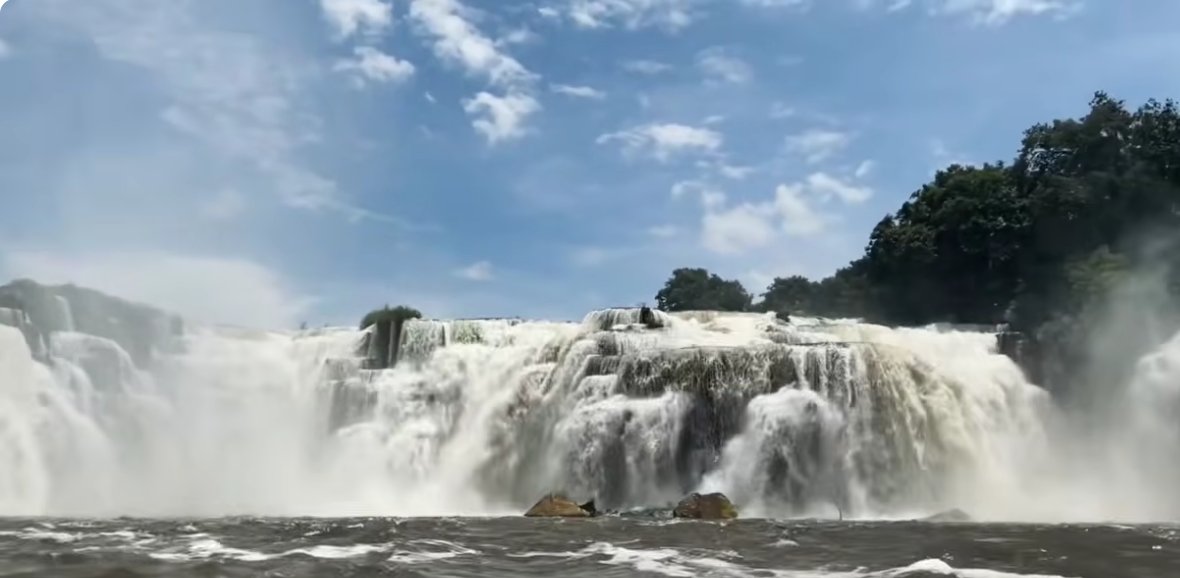
Kiubo (Kyubo) Falls
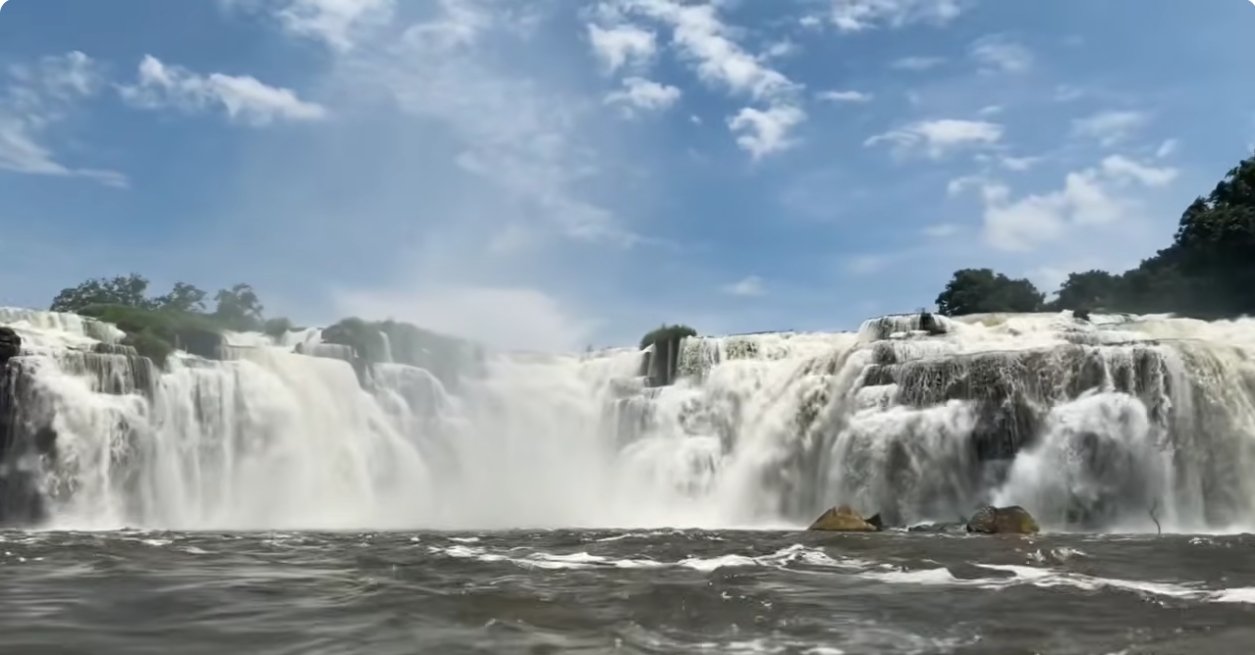
A wide, thundering curtain of water spread across the Lufira River — about 60 m high and 90 m wide. It has traditionally been about five hours’ drive from Lubumbashi, so most visitors turn it into an overnight stay.
Lofoi Falls
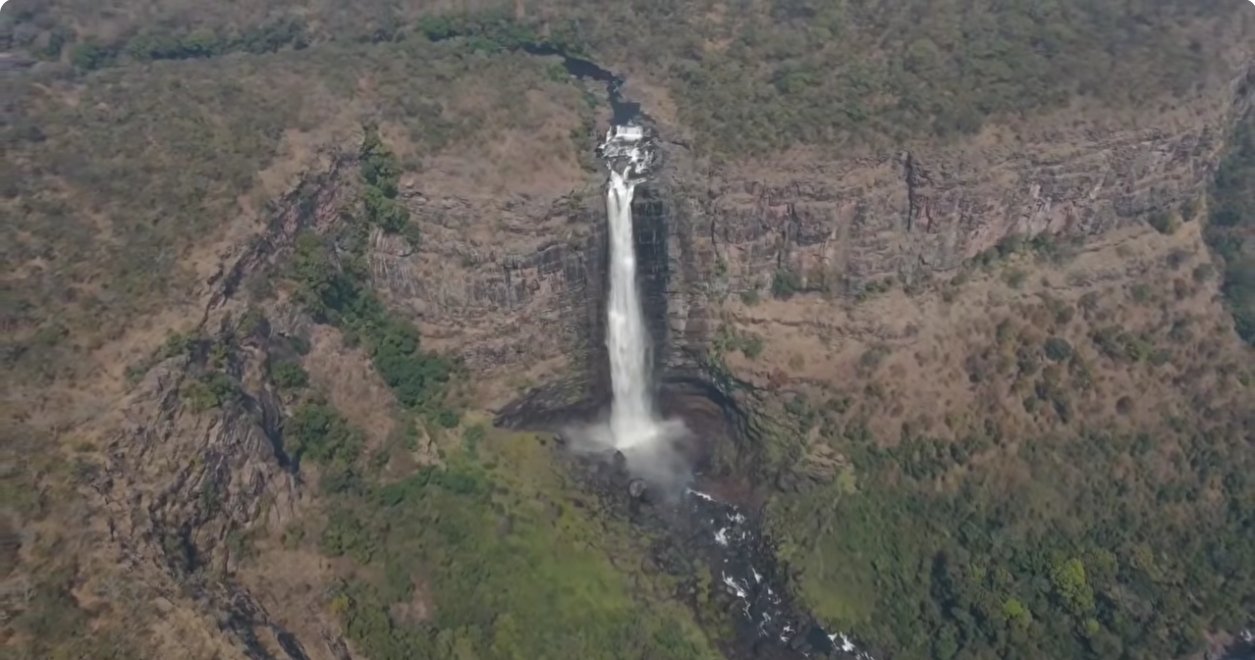
The park’s showpiece: a single narrow plume dropping from the plateau rim into a deep forested gorge, commonly quoted at about 340 m. It is the farthest stop, and Masasa and Lutshipuka come first on the way.
Masasa Falls
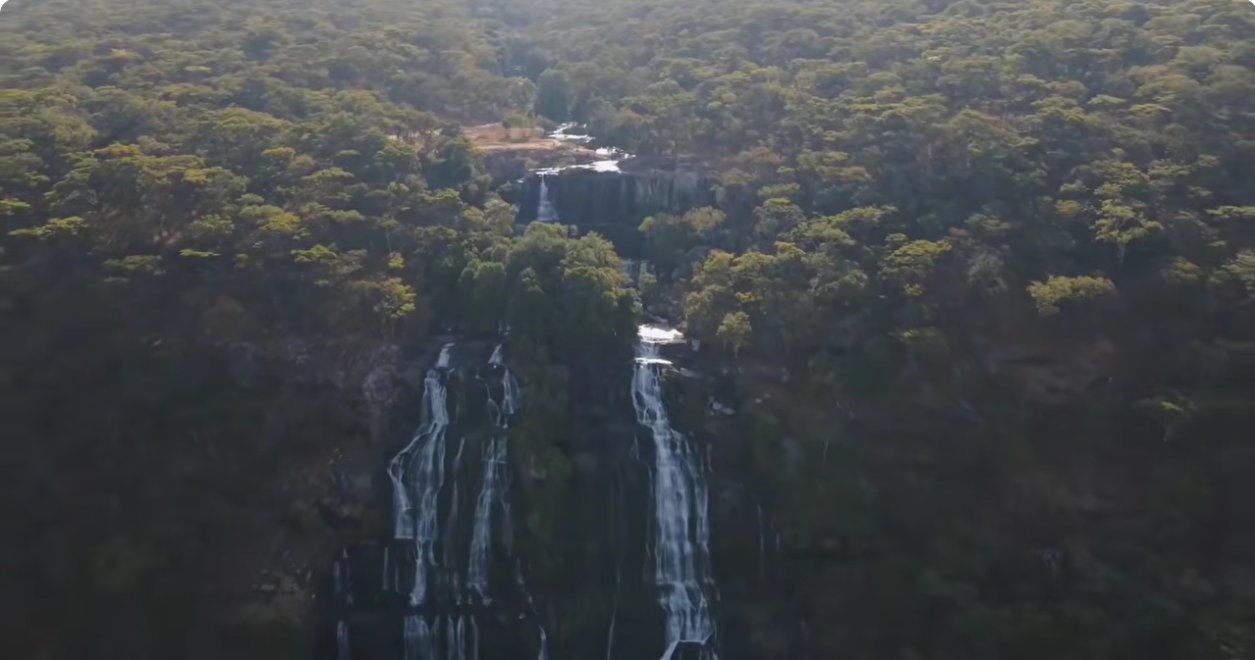
A cascade of ribbon-like falls stepping down through dense woodland, seen here from above. It is passed on the road to Lofoi and makes a good first stop.
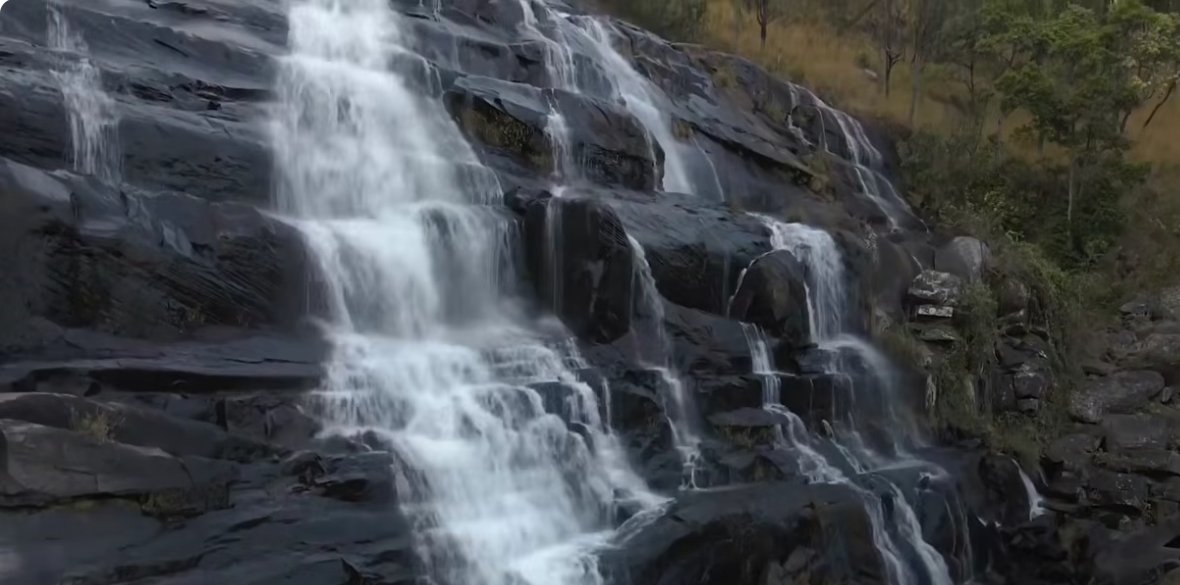
Lutshipuka Falls
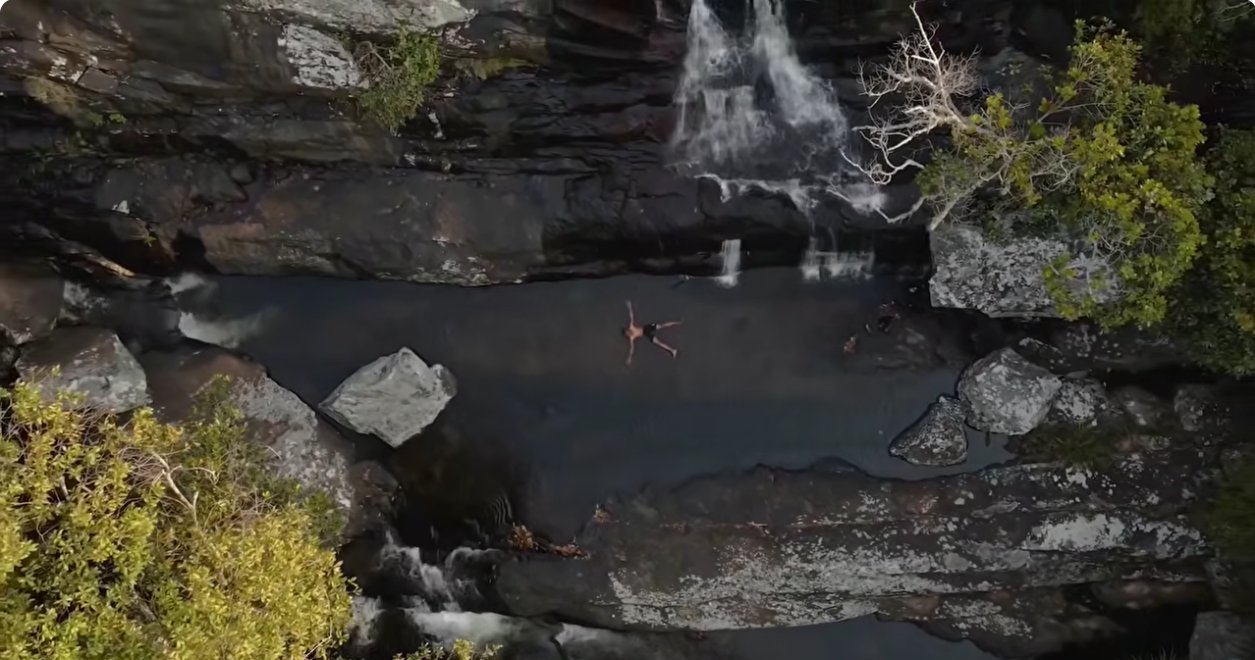
A broad cascade tumbling over dark, stepped rock, with calm rock pools at its foot. Another stop on the way to Lofoi. Water levels and currents change with the season, so ask your guide before getting in.
Wildlife and birds
Wild, lightly visited country
The savanna and forest galleries shelter antelope, buffalo, warthog, jackal, monkeys and hippo, and the birdlife includes egrets, marabou storks and pelicans. Sightings are never guaranteed — this is remote, lightly visited country, not a drive-through safari park — so go for the landscapes and treat any animals as a bonus. Conservation plans for the park include reintroducing species such as oribi, cheetah and zebra, so the wildlife picture should change over time.
Where to sleep
Basic facilities
Facilities inside the park are limited. Most visitors either camp, bringing their own tents, food and water and arranging the trip through a Lubumbashi operator, or stay at Kiubo Lodge, a hotel on the Lufira River at the foot of Kiubo Falls. Confirm availability before you set out.
Getting there
By road from Lubumbashi
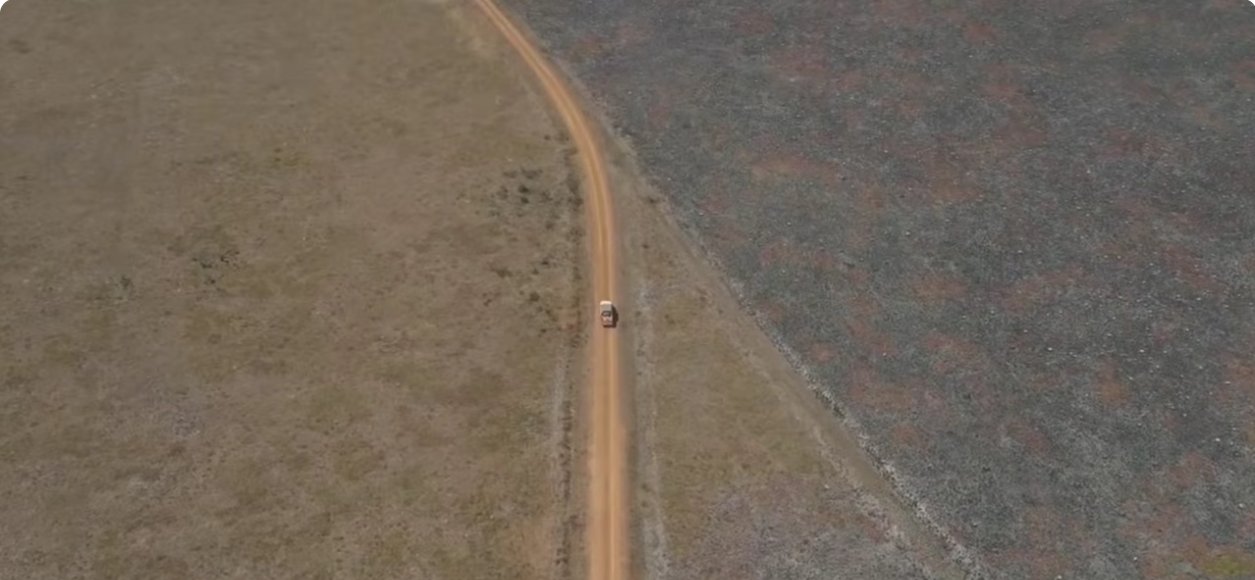
The park is reached by road from Lubumbashi, and there is no public transport. To reach Lofoi Falls, visitors need to hire a 4x4 with a driver. Kiubo Falls have traditionally been about five hours’ drive one way, though road improvements may shorten that, and the falls further into the park are reached on unpaved tracks, so plan an early start. Arrange your 4x4 or a tour operator in Lubumbashi, and carry fuel, water and food.
Roads are changing fast. The national grands travaux agency (ACGT) reported in November 2025 that the Lwambo–Mitwaba–Manono road, a little over 450 km long, is being paved in stages: the first section (km 21 to km 106) has been formally accepted, and the next (km 106 to km 250, as far as Kawama) provisionally accepted, while old Bailey bridges are replaced with concrete ones and the works continue. The road is not fully paved yet. The 430 km Kalemie–Manono road, run through the national grands travaux agency (ACGT), was reported in August 2026 to be about 85% complete for its first phase. Together these should cut travel times in this part of Katanga significantly. Information often lags behind the roadworks, so ask your driver or operator for current conditions — we will update this guide as it is confirmed.
Travel advisory: confirm access and security first
An army operation against armed groups was reported in the Kundelungu and neighbouring Upemba area in January 2023, and the park’s management is changing hands. Check current security advice and whether visits are being accepted before you plan the trip, and do not travel without a local guide.
Most visitors fly into Luano (FBM) and head out from Lubumbashi — see the Lubumbashi guide for flights, hotels and road routes from southern Africa.
Get the Best Deals First
Weekly flight and travel deals, straight to your inbox. No spam, just savings.