National Park Guide
Bombo-Lumene National Park
Rolling Batéké hills, forest-lined rivers and the fast-flowing Lumene, about 130 km from Kinshasa and a world away from it.
Home / Discover Congo / Bombo-Lumene
Best for
Hiking, swimming, getting away
Fly into
Kinshasa · FIH
Distance
About 130 km, 2–3 hours
Suggested time
A long day or a weekend
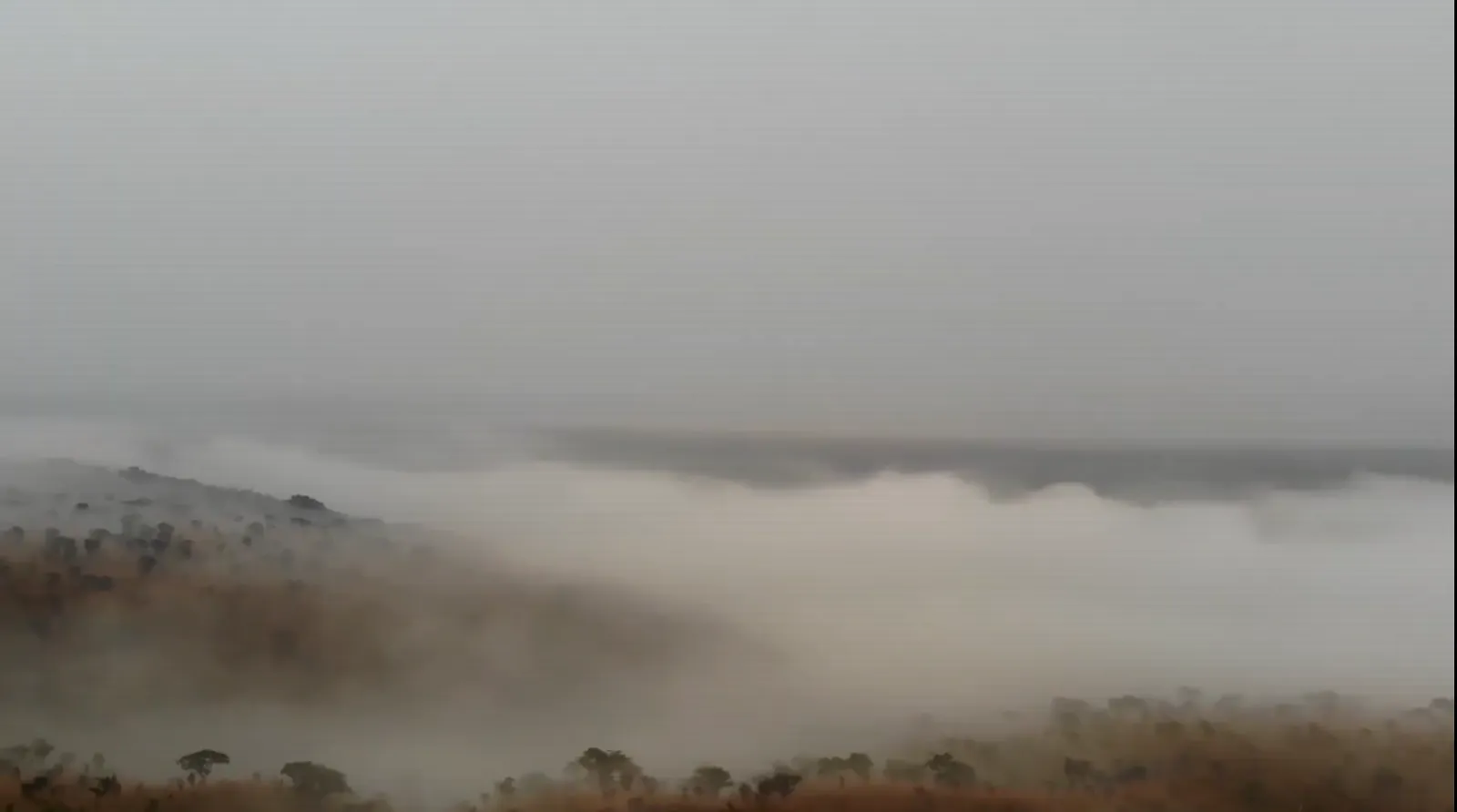
About 130 km from Kinshasa, the city gives way to the rolling hills of the Batéké Plateau. Bombo-Lumene is a destination for the true explorer: dry forests, primary forest along the rivers, open savanna and valleys that fill with mist in the early morning. It is a popular weekend escape for people who live in the capital, and a sharp contrast to the city's noise and traffic.
This guide explains what Bombo-Lumene is, what the landscape is like, what you can do on the Lumene River and in the hills, and what to sort out before you go. The park is remote and lightly equipped, so a little planning goes a long way.
What Bombo-Lumene is
A large protected area on the edge of a megacity.
Bombo-Lumene is widely called a national park, and Tripadvisor lists it under that name. Its original legal name is the Domaine de chasse et Réserve de Bombo-Lumene, and protected-area records still list it as a hunting domain. It began as a hunting domain in 1968, and a reserve was declared in 1976 to protect the flora and fauna between the Bombo and Lumene rivers, the two rivers that give the place its name. It is managed by Congo's nature conservation institute, the ICCN, in partnership with the Fondation Bombo Lumene.
It sits on the southern end of the Batéké Plateau, a gently undulating mosaic of grassland, wooded savanna and gallery forest at about 650 to 700 metres above sea level. BirdLife International recognises it as an Important Bird Area, and one of the mammals of conservation concern recorded there is the sitatunga antelope. Decades of poaching pressure from nearby Kinshasa have taken their toll on larger wildlife, so come for the landscape, the river and the birds rather than for a classic safari.
| At a glance | Details |
|---|---|
| Status | Widely called a national park. Official name: Domaine de chasse et Réserve de Bombo-Lumene. |
| Location | Batéké Plateau, far north of Maluku commune, Kinshasa province, DR Congo |
| Distance | About 130 km from central Kinshasa (sources range from 120 to 135 km) |
| Size | Roughly 2,170 km² (about 217,000 hectares) in the World Database on Protected Areas. Older sources cite 350,000 hectares, so treat it as approximate. |
| Established | Hunting domain 1968, reserve 1976 |
| Landscape | Dry forest, primary and gallery forest, rolling savanna, river valleys |
| Rivers | Bombo, Lumene and other watercourses |
| Climate | Rainy season about mid-September to mid-May, dry season about four months |
The landscape: plateau, forest and river
Three habitats within a short walk of each other.
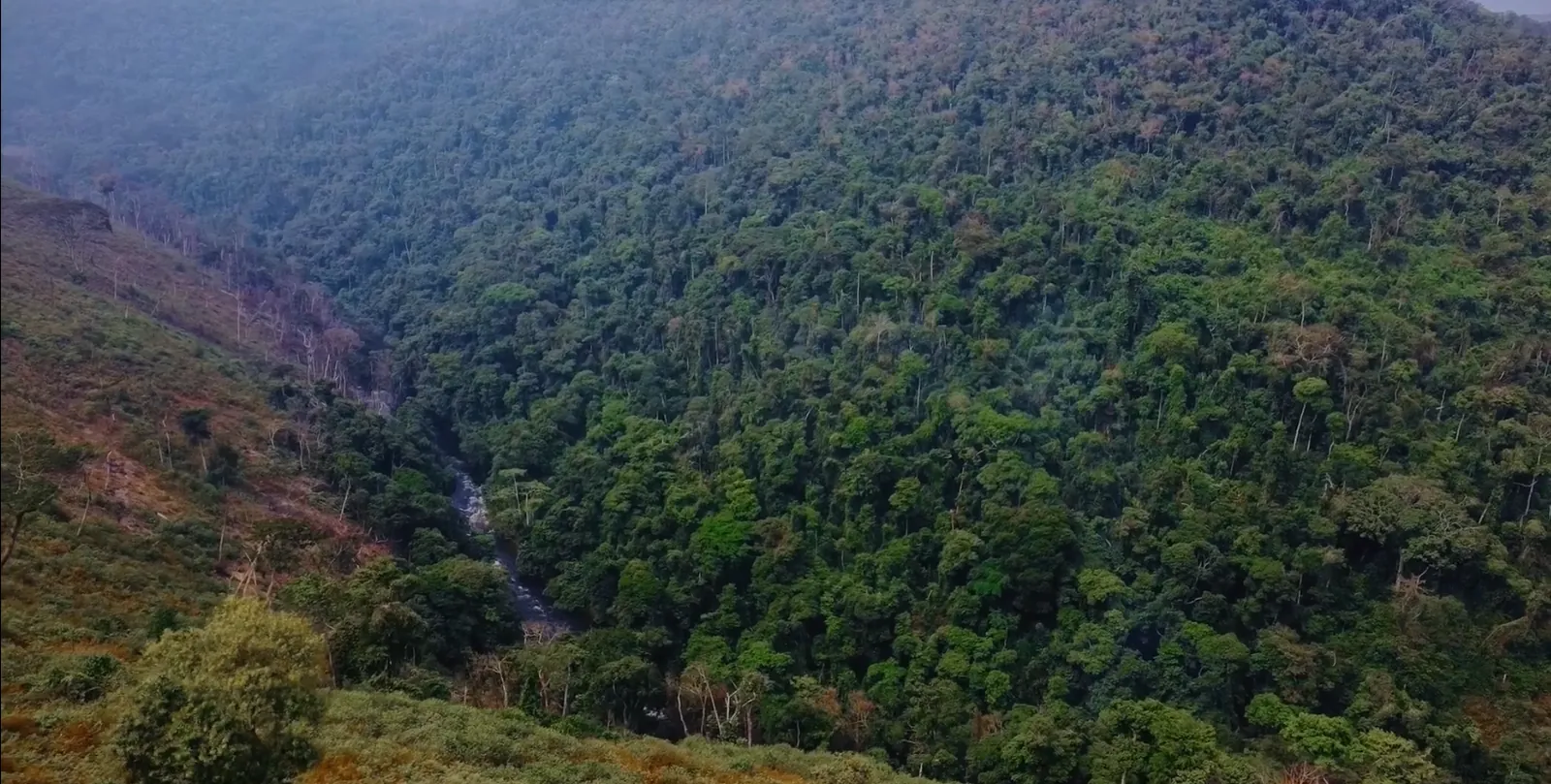
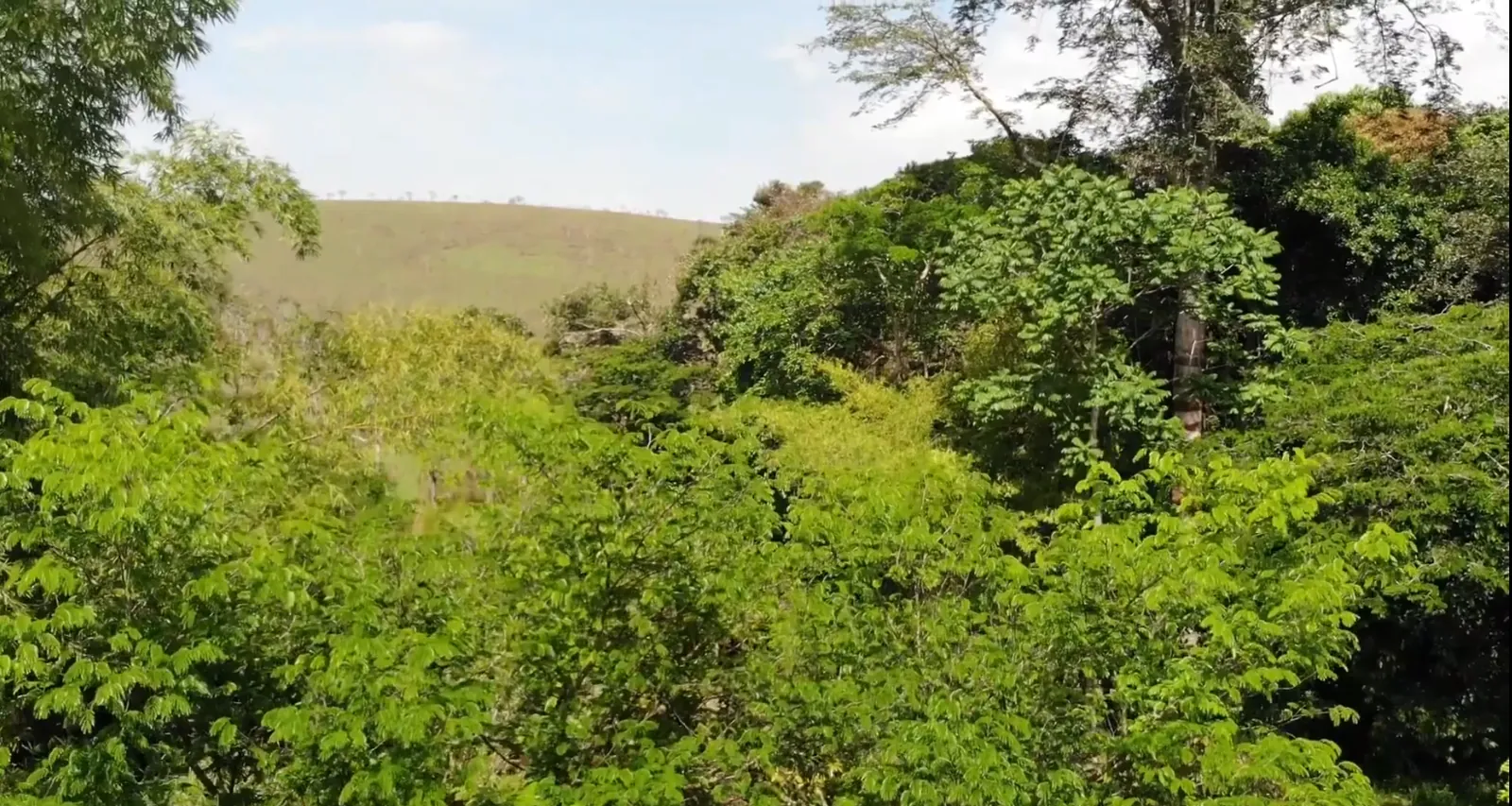
The plateau is open and wide, the forests are dense and damp, and the river cuts between them. You often see all three in a single day.
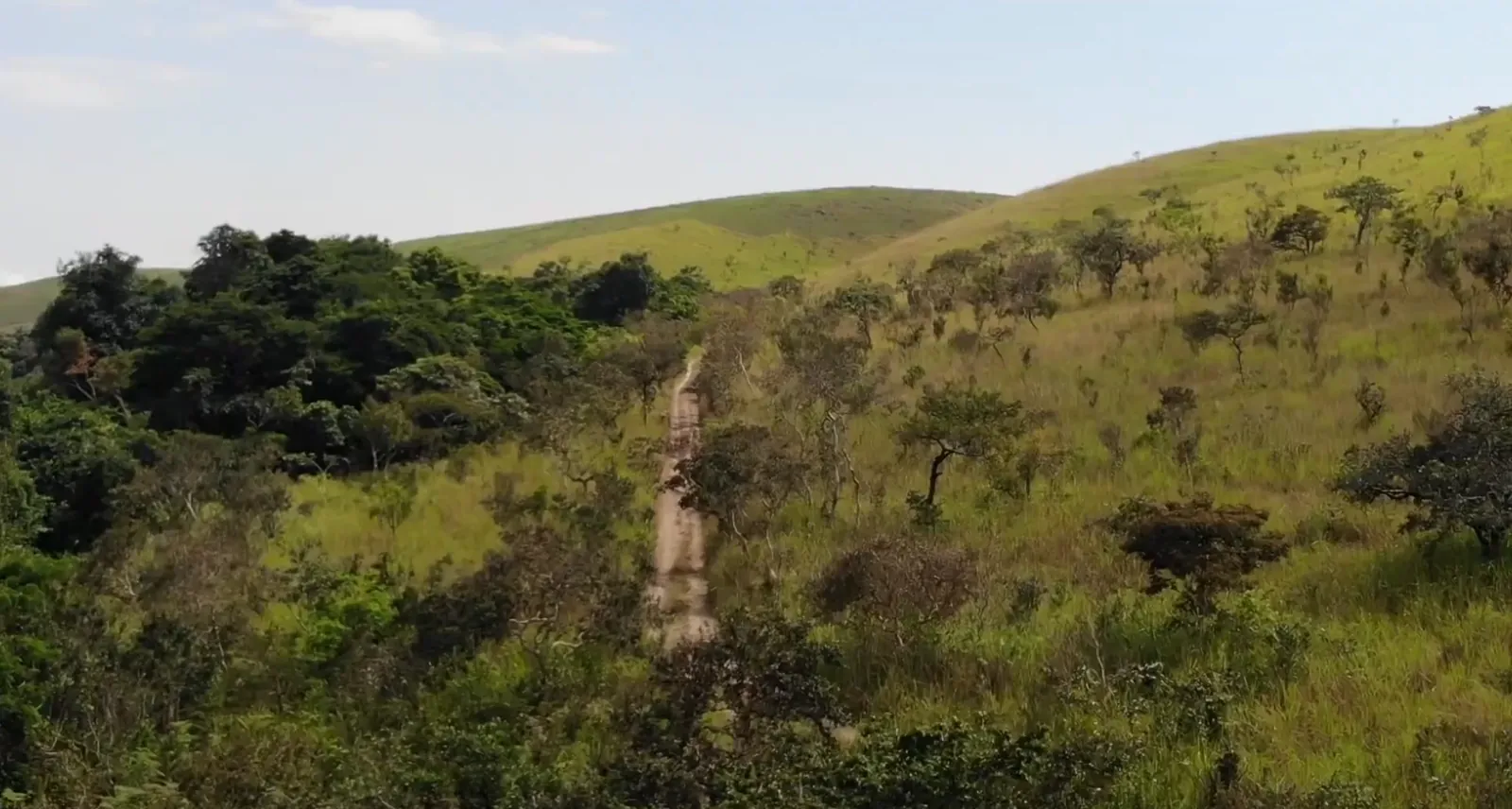
Rolling savanna
Grassy hills with scattered trees give long views across the plateau, and the silence there stretches for miles.
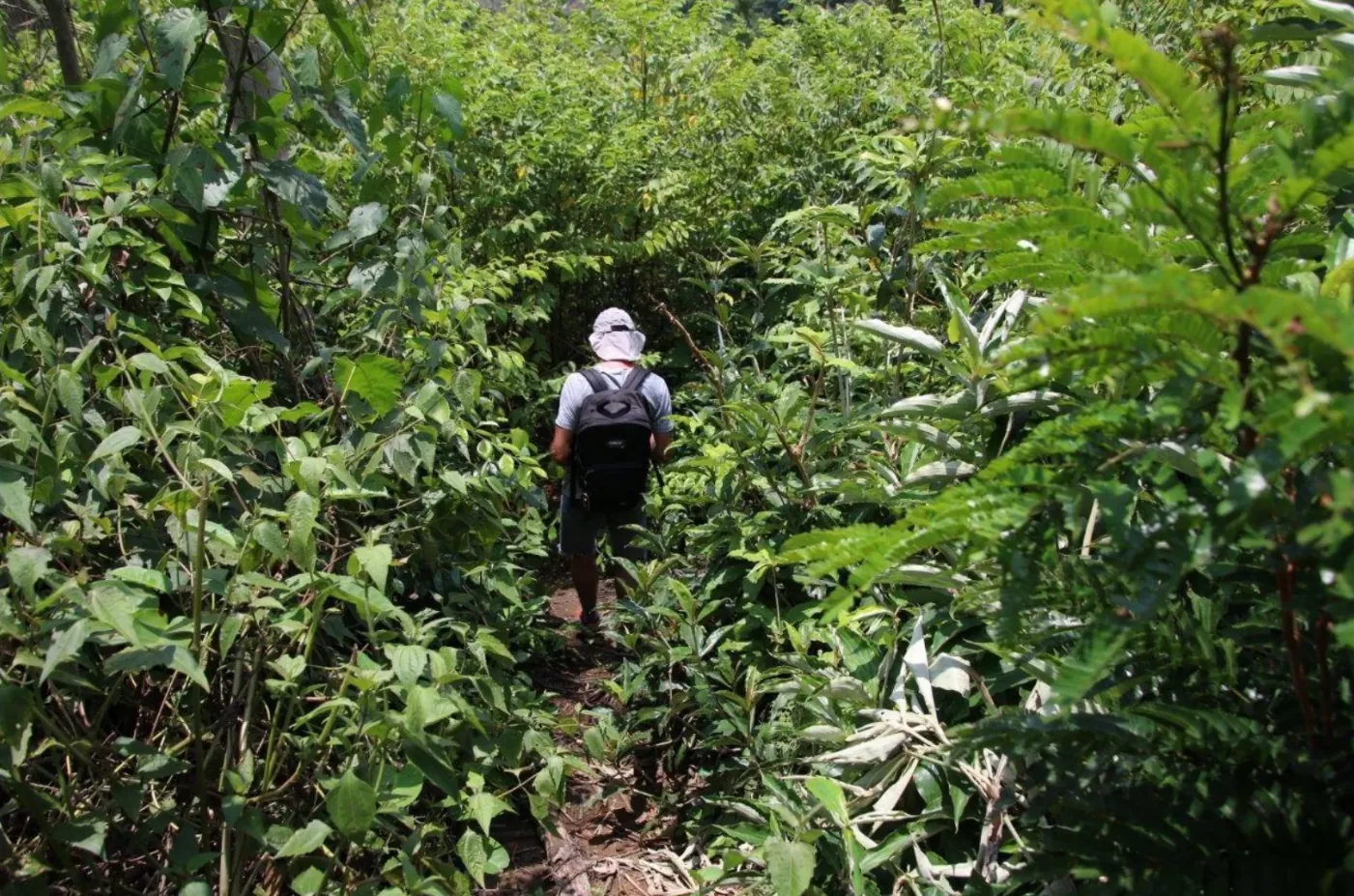
Forest trails
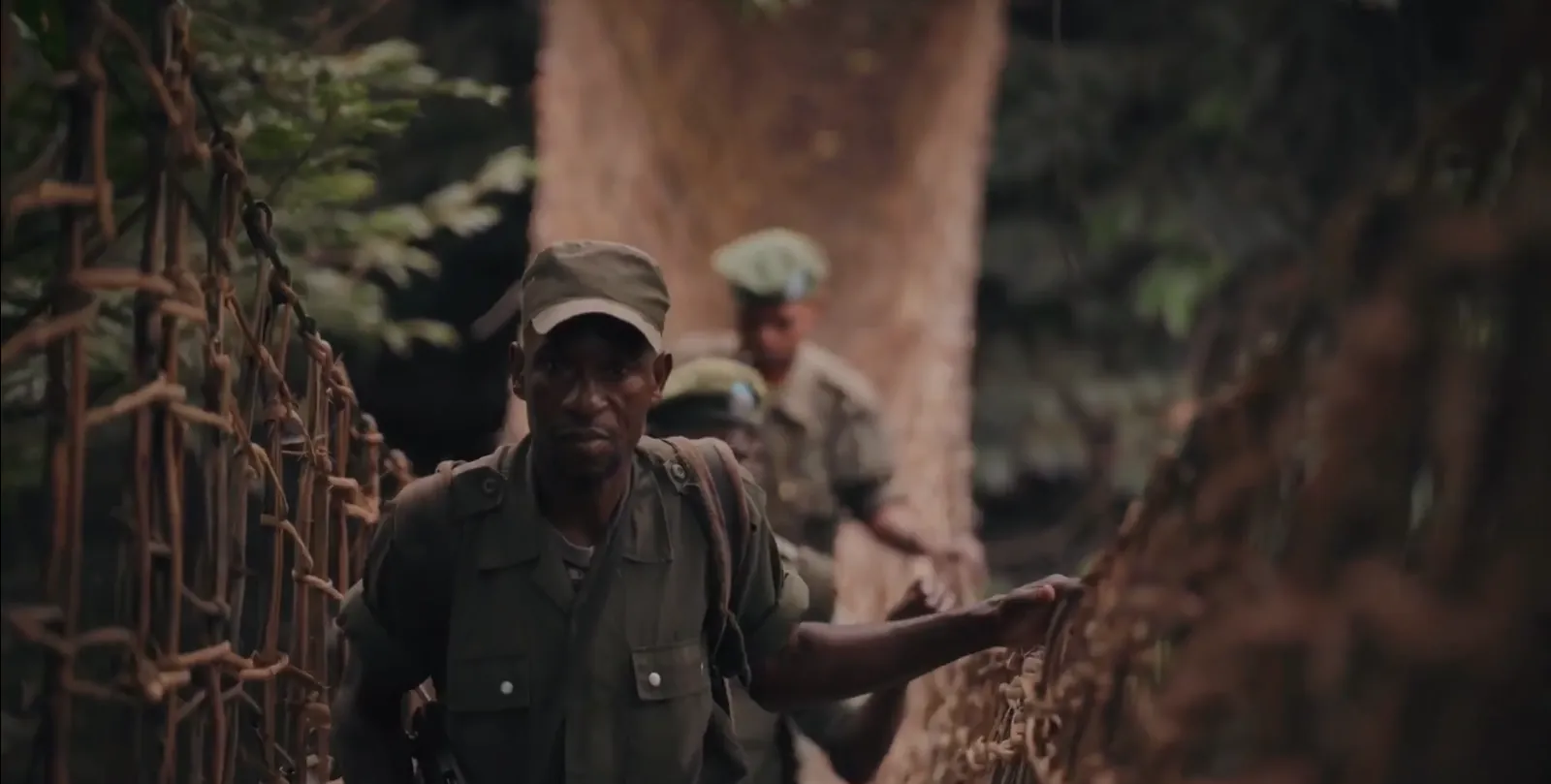
Guided treks lead through damp, shaded forest, where narrow paths close in with leaves on both sides.
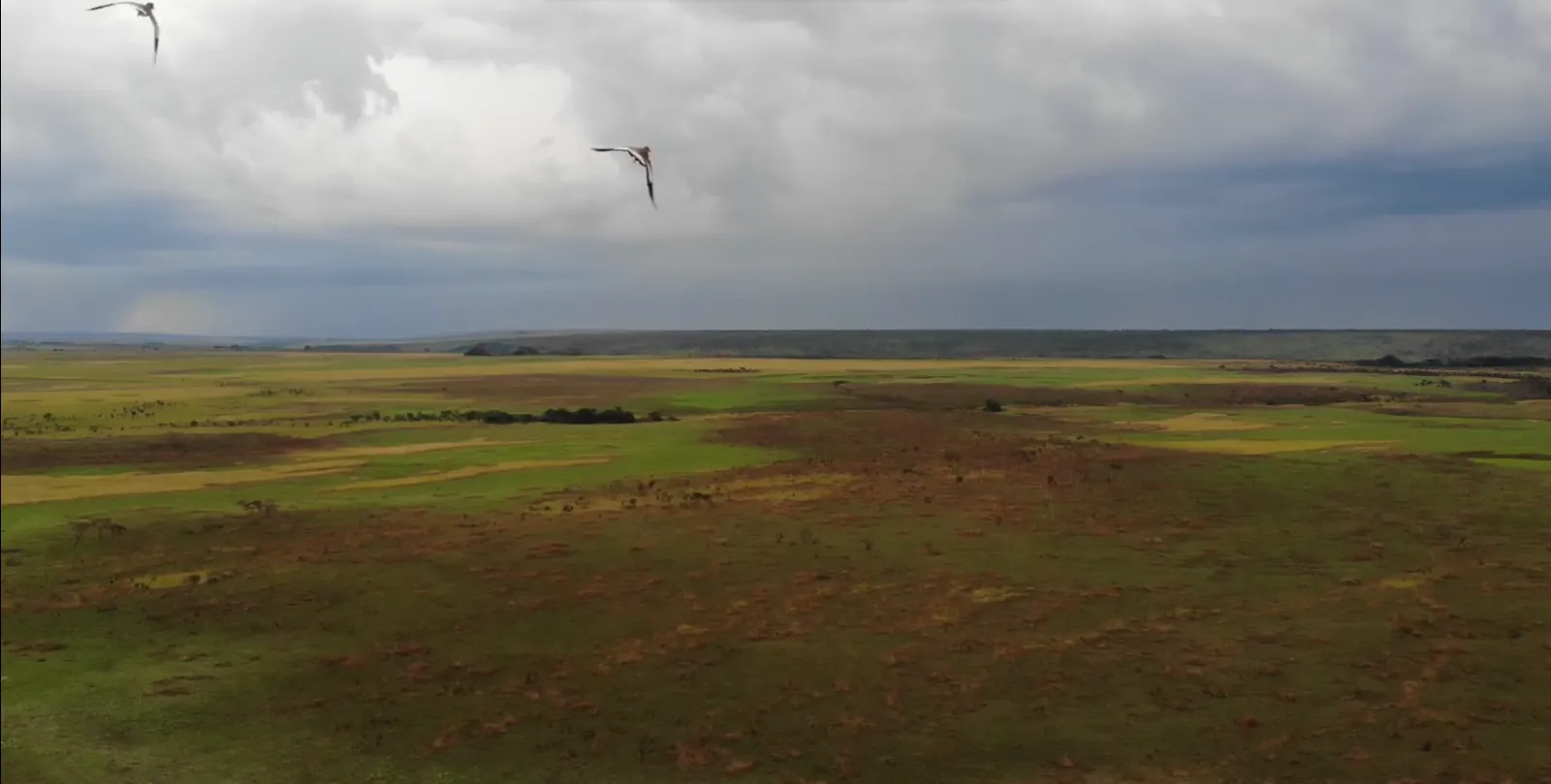
Big skies
Wide open plains and fast-changing weather make the plateau a fine place for watching birds and clouds.
The Lumene River
Fast-moving, refreshing and the reason many people come.
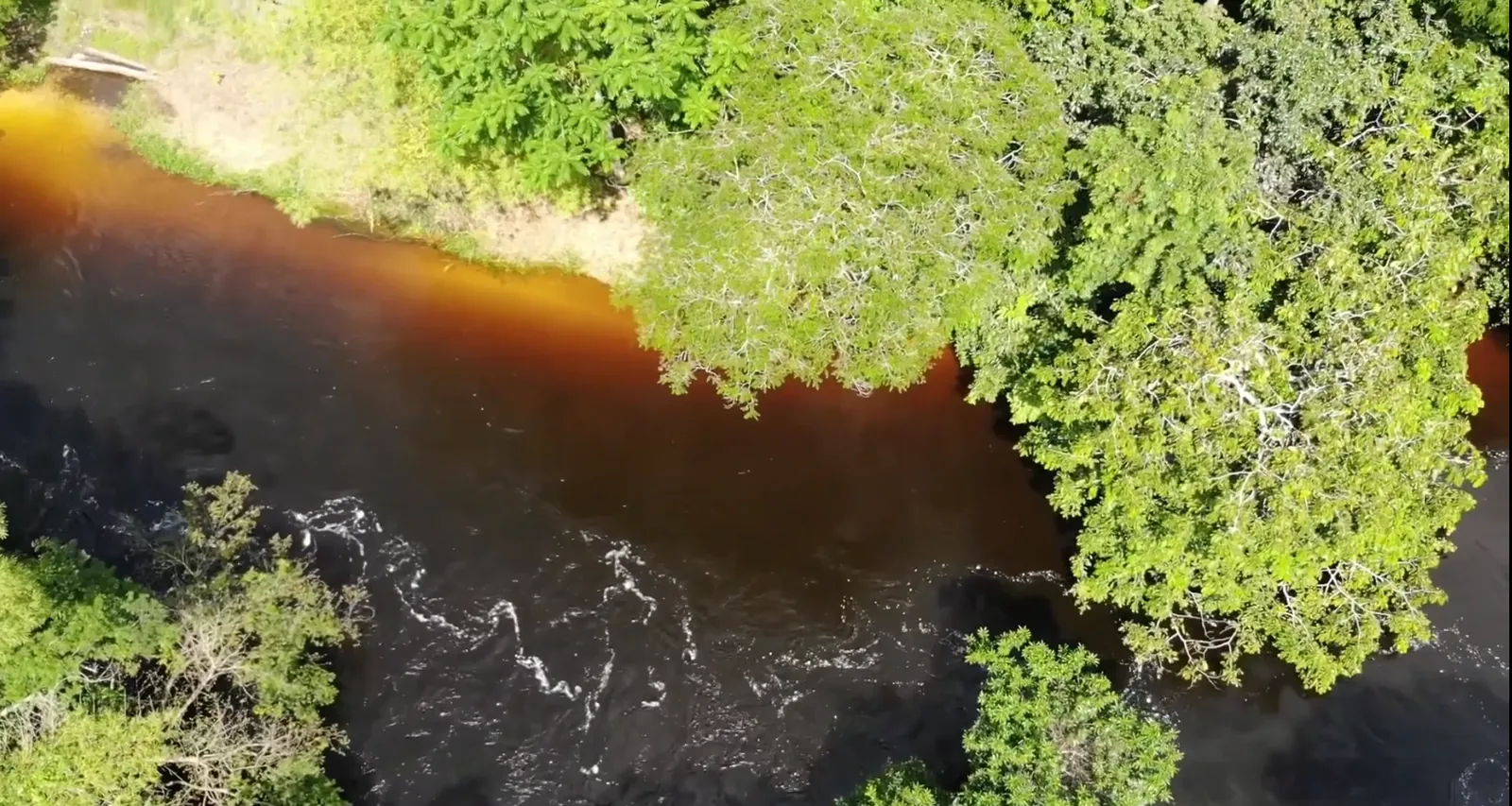
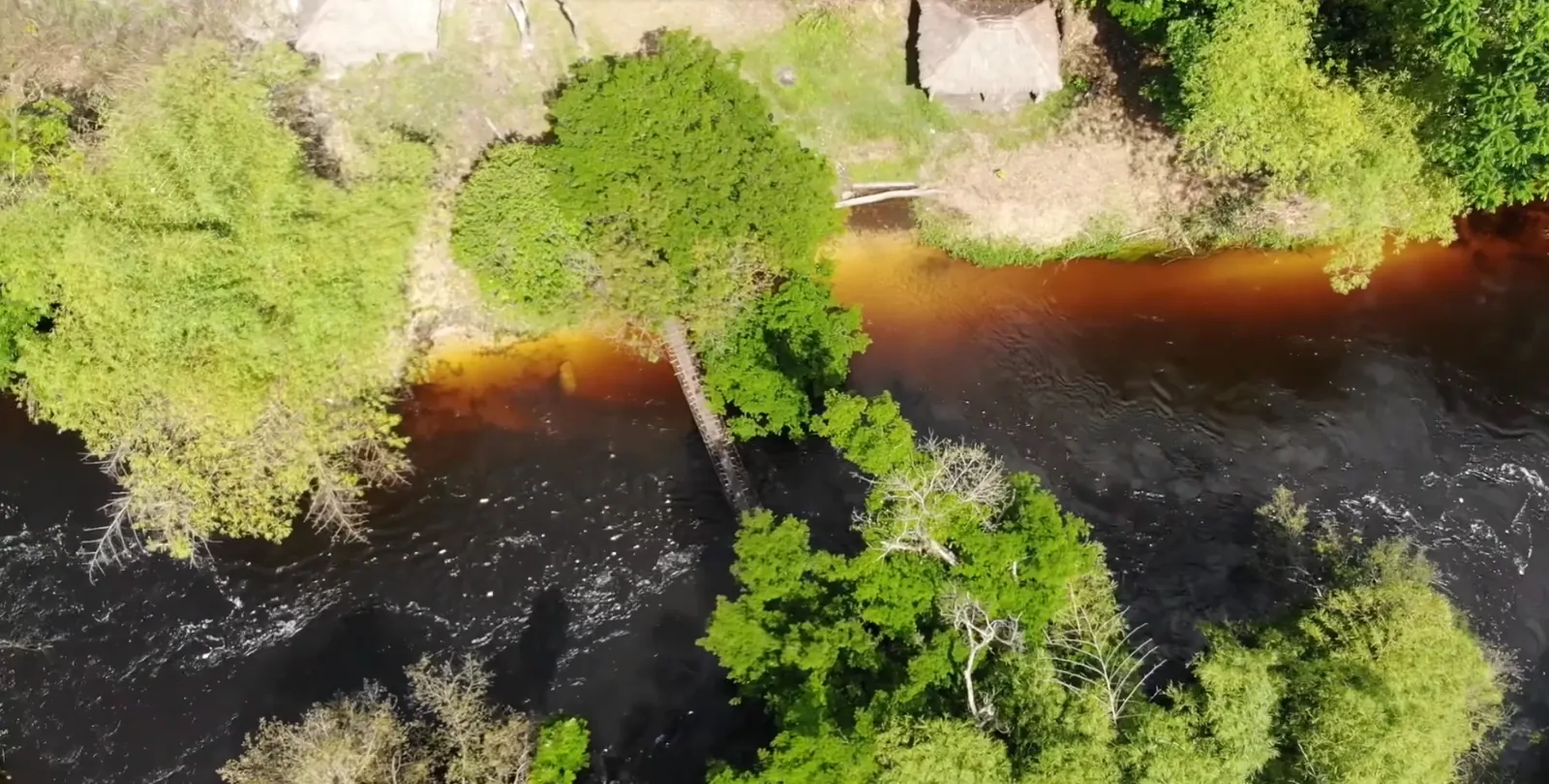
The Lumene is famous for its fast-moving, refreshing water. From above, the river looks dark and tea-coloured, broken by lines of white where it runs over rapids. Visitors swim at designated bathing spots, and some float down the rapids, which is one of the main reasons people make the trip on a hot weekend.
The current is real, so treat the river with respect: swim only where it is designated safe, keep to the places your guide recommends and avoid the faster sections unless you are with someone who knows them.
Things to do
Walk, swim, watch and do very little.
Hike the hills
Grassy hills reward you with views across the Batéké Plateau. Dry forest and open ridges make for long, quiet walks, and the silence out here stretches for miles.
Take a guided forest trek
Guided treks through damp, shaded forest are the best way to see the primary forest and the river valleys without losing the trail.
Swim and float the rapids
Swim at the designated bathing spots on the Lumene, or float down the rapids with a guide. Bring swimwear, a towel and a dry set of clothes.
Watch birds and wildlife
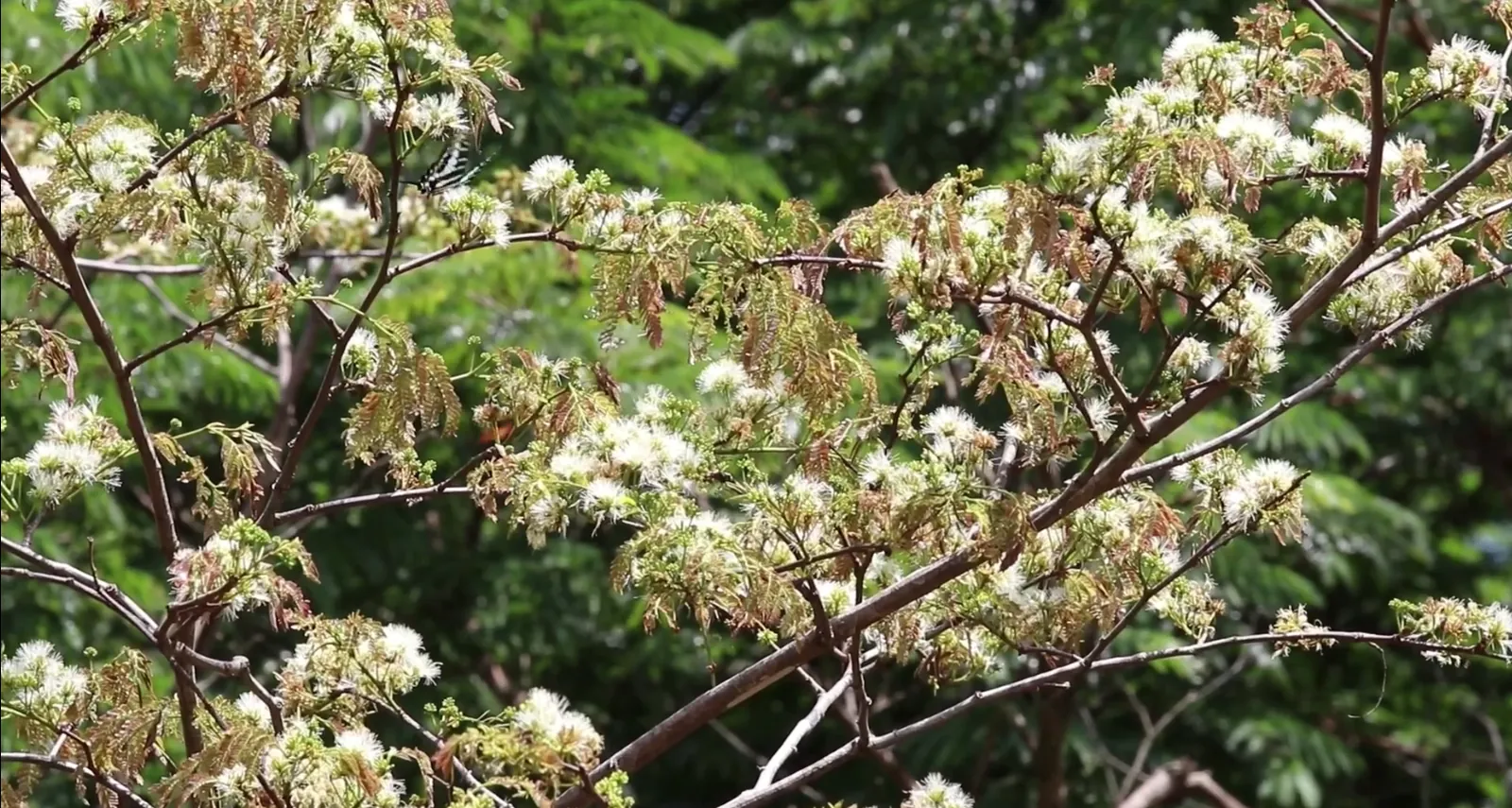
Bombo-Lumene is an Important Bird Area, and WWF France has reported the rediscovery here of the white-headed robin-chat after more than 20 years without records in DR Congo. Binoculars are worth the weight.
Stay for the quiet
If you can arrange a night on site, you get the long evenings and early mist that day visitors miss. Facilities are basic, so check what is available before you commit.
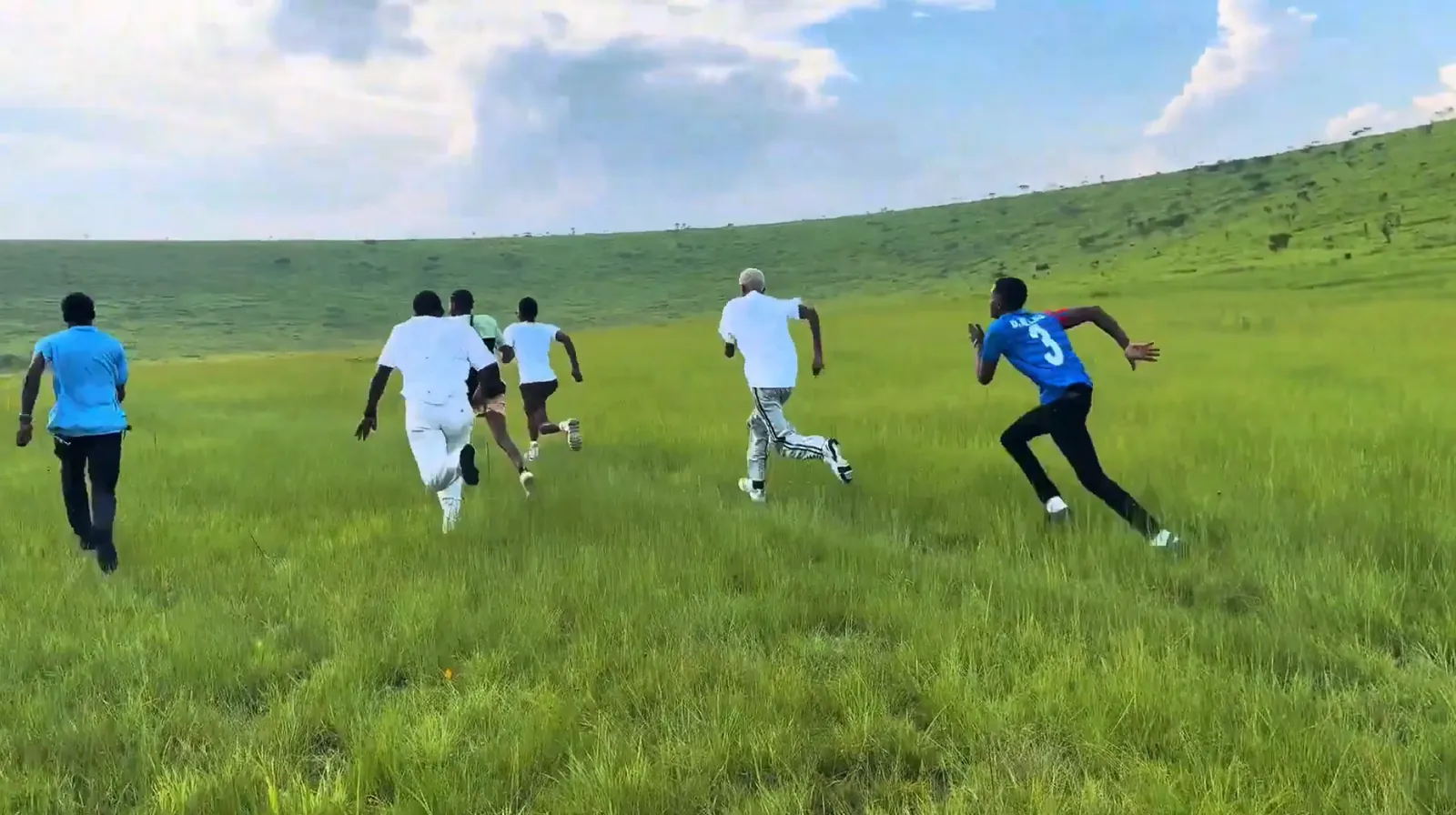
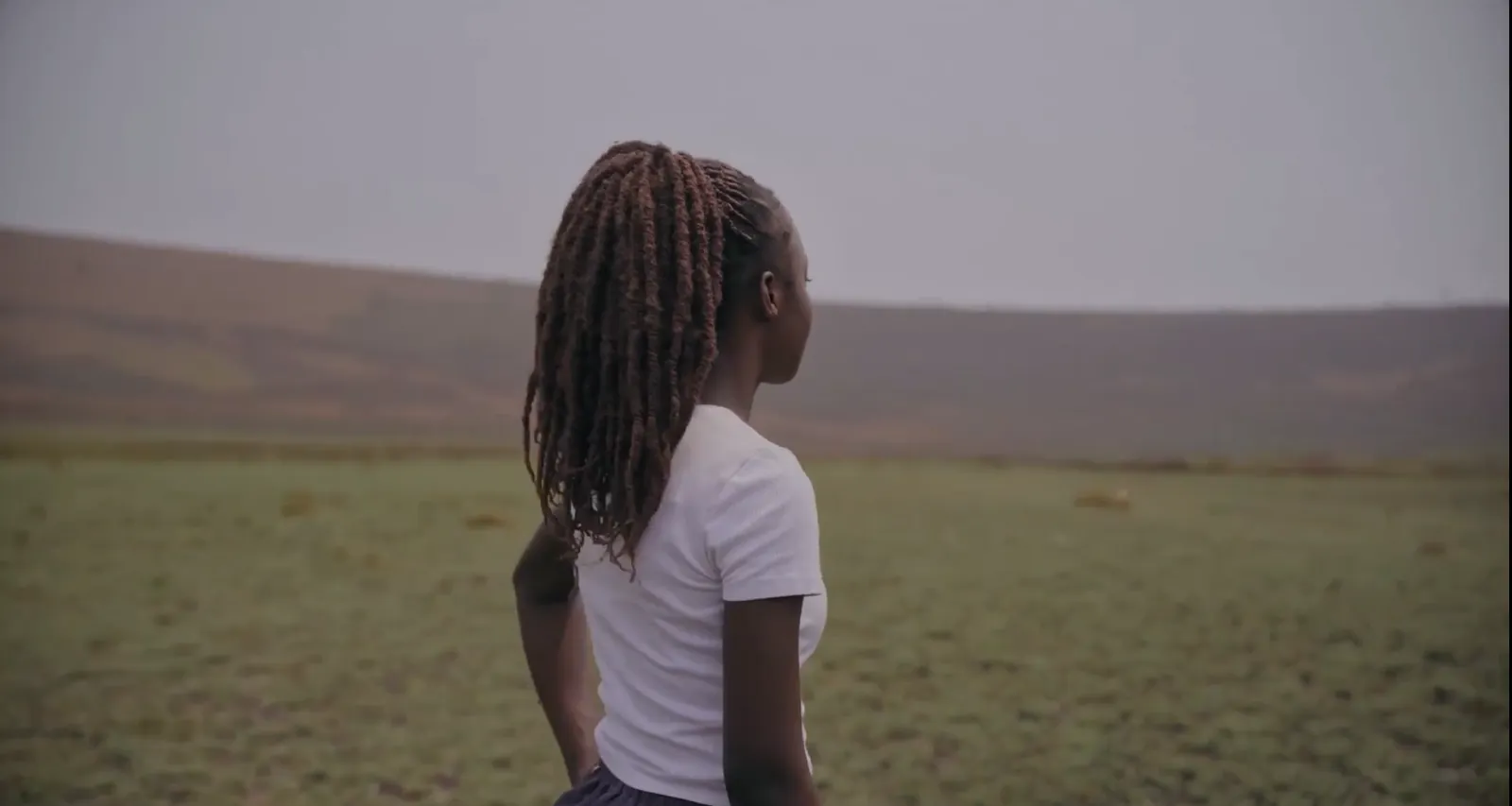
Room to run
The open grassland is popular with weekend visitors from Kinshasa, including runners and groups of friends.
Misty mornings
Low cloud settles in the valleys and burns off through the morning. Early starts are worth it for the light.
Plan your visit
Remote, lightly equipped and best done with a driver or an operator.
| From Kinshasa | About 130 km east along Route Nationale 1, then onto tracks into the park. Allow 2 to 3 hours depending on traffic. |
| Transport | No public transport. Go with your own vehicle and driver, or book through a tour operator. |
| Best season | The dry season, roughly mid-May to mid-September, when tracks are easier. Expect heavy rain from about mid-September to mid-May. |
| Facilities | Limited. A reception area exists at the entrance, but reviewers report no on-site restaurant or electricity, so bring food and water. |
| Overnight | Visitors report overnight stays in camping (bring or rent a tent) and a basic chalet. Confirm what is available before you travel. |
| Entry fees and hours | Not published at the time of writing. Ask the ICCN, the Fondation Bombo Lumene or your operator. |
Details are drawn from published sources, checked on 6 November 2026. Access, fees and facilities can change, so confirm before you travel.
Airport
Kinshasa · FIH
From the city
About 130 km
Drive time
2–3 hours
Frequently asked questions
Where is Bombo-Lumene?
On the Batéké Plateau in the far north of Maluku commune, within the city-province of Kinshasa. Sources put it roughly 120 to 135 km from central Kinshasa, and our video guide gives about 130 km.
Is Bombo-Lumene a national park?
It is widely called one, including on Tripadvisor, but its official name is the Domaine de chasse et Réserve de Bombo-Lumene, a hunting domain created in 1968 with a reserve declared in 1976. Protected-area records still list it under that older status.
How long does it take to get there from Kinshasa?
Allow about two to three hours by road, depending on traffic. There is no public transport to the site, so most visitors go with their own vehicle and driver.
What can you do at Bombo-Lumene?
Hiking over grassy hills, guided treks through forest, swimming at designated bathing spots on the Lumene River, floating down its rapids and birdwatching are the main activities.
Is it safe to swim in the Lumene River?
The river is fast-moving, so swim only at designated bathing spots and follow your guide's advice about currents and rapids.
When is the best time to visit?
The dry season, roughly mid-May to mid-September, generally makes tracks and trails easier. The rainy season runs about eight months, from mid-September to mid-May.
Can you stay overnight?
Yes, but facilities are basic. Visitors report camping (bring or rent a tent) and a simple chalet, with no on-site restaurant or electricity, and some operators run overnight trips. Confirm what is available before you travel.
Sources and further reading
- BirdLife International: Bombo-Lumene Game Reserve, Important Bird Area factsheet (area, altitude, habitat)
- Protected Planet: Bombo Lumene, World Database on Protected Areas (area, IUCN category)
- Tripadvisor: Bombo Lumene National Park (listing name, visitor reports on overnight stays)
- Kino Congo: Bombo Lumene, Maluku, Kinshasa (distance, access, activities)
- International Parks: Bombo-Lumene (history, landscape, facilities)
- Memoire Online: Domaine de chasse et Réserve de Bombo-Lumene (founding decrees, climate)
- Mediacongo: Rediscovery of the white-headed robin-chat (birdlife, citing WWF France)
- Congo Travel and Tours: Introduction to Kinshasa (operator-run stays on the plateau)
Photos: stills from the Karibu Congo video Top 12 Places to visit in Kinshasa, Congo.
Get the Best Deals First
Weekly flight and travel deals, straight to your inbox. No spam, just savings.